
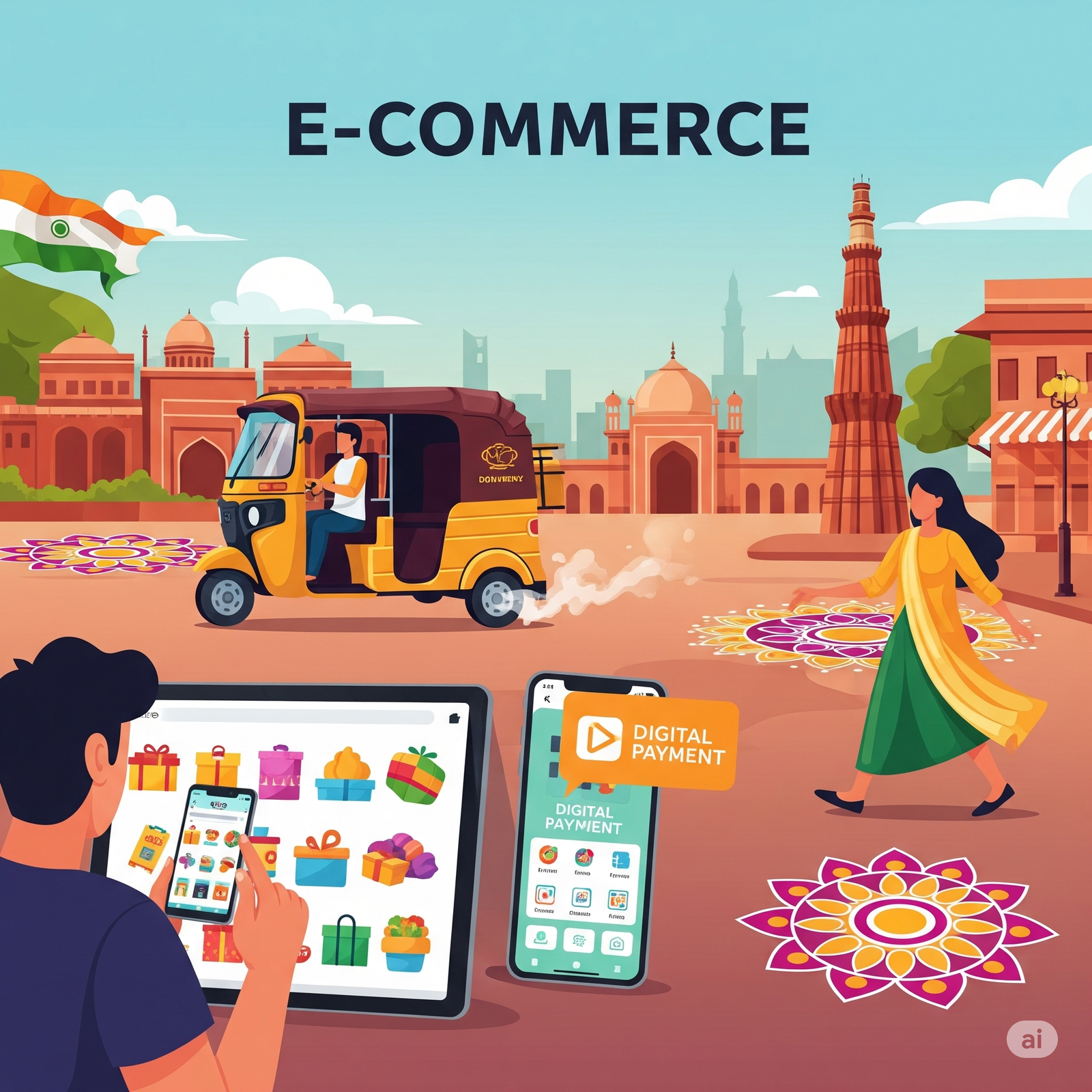

The burgeoning digital landscape in India presents a plethora of opportunities for aspiring entrepreneurs. From the comfort of your home in Bhubaneswar, Odisha, or anywhere across the country, you can launch a thriving online venture. However, the sheer variety of online business models available can be overwhelming. Selecting the right one is a critical first step towards success. This blog will guide you through some popular online business models prevalent in India, helping you make an informed decision.
1. E-commerce (Selling Physical Products Online):
This is perhaps the most recognizable model. You set up an online store to sell physical goods, either sourced from suppliers or manufactured yourself.
- Popular in India: Fashion, electronics, home goods, books, handmade crafts, groceries.
- Consider if: You have a passion for specific products, are willing to handle inventory (unless you choose dropshipping – discussed later), manage shipping, and customer service related to physical goods.
2. Dropshipping (Selling Without Inventory):
As discussed in a previous blog, dropshipping allows you to sell products online without holding any inventory. You partner with suppliers who ship directly to your customers.
- Popular in India: Similar to e-commerce, but with lower upfront investment in inventory.
- Consider if: You want to start an e-commerce business with minimal capital, are comfortable with potentially lower profit margins and managing customer service for products you don’t physically handle.
3. Affiliate Marketing (Earning by Promoting):
You partner with businesses and promote their products or services using unique affiliate links. You earn a commission for every sale generated through your links.
- Popular in India: Promoting e-commerce products, software, financial services, online courses.
- Consider if: You have a strong online presence (blog, social media, YouTube channel), are skilled at content creation and driving traffic, and are comfortable with earning solely through commissions.
4. Creating and Selling Digital Products:
This involves creating intangible products that can be downloaded or accessed online after purchase.
- Popular in India: Ebooks, online courses, templates (website, design), software, music, stock photos.
- Consider if: You have expertise in a specific area that you can package into digital products. This model often offers high profit margins once the product is created.
5. Offering Online Services (Freelancing/Consulting):
Leverage your skills and expertise to offer services to clients online.
- Popular in India: Writing, web development, graphic design, social media management, virtual assistance, online tutoring, financial consulting.
- Consider if: You have in-demand skills and prefer working directly with clients on specific projects. You can set your own rates and work from anywhere.
6. Building an Online Community (Membership Sites):
Create a platform where users pay a recurring fee to access exclusive content, resources, or a community forum.
- Popular in India: Niche communities based on hobbies, professional development, specific interests.
- Consider if: You have the ability to create valuable and engaging content consistently and can foster a thriving online community.
7. Print on Demand (Selling Custom-Designed Products):
You design products (like t-shirts, mugs, posters), and when a customer places an order, a third-party print-on-demand service handles the printing and shipping.
- Popular in India: Custom apparel, personalized gifts, home decor.
- Consider if: You have creative design skills and want to sell unique products without managing inventory or shipping.
Factors to Consider When Choosing Your Online Business Model in India:
- Your Interests and Skills: What are you passionate about? What skills do you already possess? Choosing a model that aligns with your interests and skills will make the journey more enjoyable and increase your chances of success.
- Your Target Audience: Who are you trying to reach in India? Understand their needs, preferences, and online behavior.
- Your Budget: How much capital are you willing to invest? Some models (like dropshipping or affiliate marketing) have lower startup costs than others (like e-commerce with inventory).
- Your Risk Tolerance: Some models involve more risk than others. For example, holding inventory in e-commerce carries the risk of unsold goods.
- Time Commitment: How much time are you willing to dedicate to your online business? Different models require varying levels of time investment.
- Market Demand in India: Research the demand for the products or services you plan to offer within the Indian market.
- Competition: Analyze the existing competition in your chosen niche and identify how you can differentiate yourself.
- Logistics and Payment Processing in India: Consider the practical aspects of shipping (if applicable) and the availability of reliable online payment gateways in India.
Final Thoughts:
Choosing the right online business model is a personal decision. There’s no one-size-fits-all answer. Carefully evaluate your strengths, interests, resources, and the dynamics of the Indian online market. You might even consider combining elements of different models as your business evolves. The key is to start with a clear understanding of each option and select the one that provides the best foundation for your entrepreneurial aspirations in India.

Leave a Reply