

Introduction
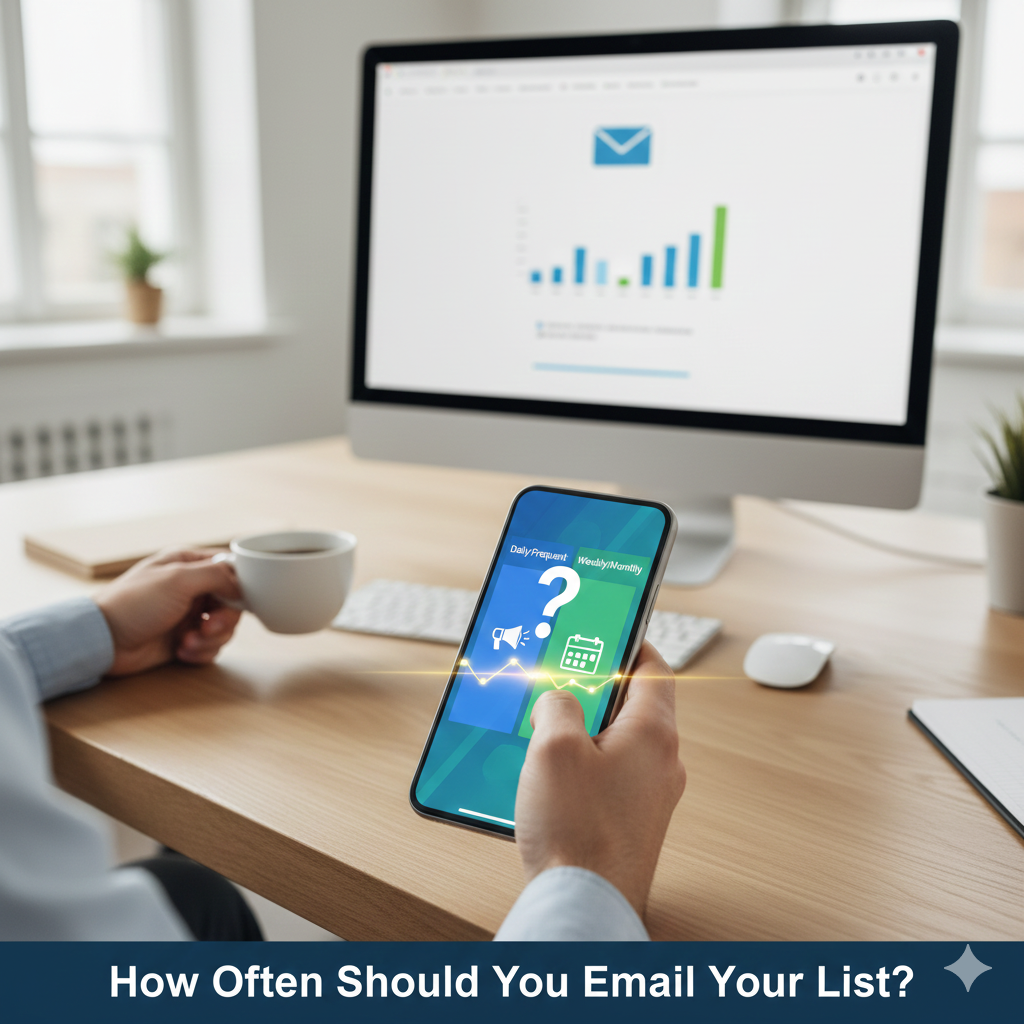
Email marketing remains one of the most powerful digital marketing channels — but one critical question continues to puzzle marketers: How often should you email your list? Too frequent, and you risk annoying subscribers or increasing unsubscribe rates. Too infrequent, and you miss opportunities to build relationships and drive conversions. This post breaks down the ideal email frequency so you can get maximum engagement without overwhelming your audience.
Why Email Frequency Matters
Email frequency can make or break your email marketing strategy. It influences:
- Open rates
- Click-through rates
- Unsubscribe / spam complaints
- Customer lifetime value
- Brand trust and recall
Striking the right balance ensures that your audience stays engaged and looks forward to your messages.
What Is the Ideal Email Frequency?
While there is no one-size-fits-all answer, most marketing studies show that:
📌 Emailing your list 1–3 times per week is generally optimal.
This frequency creates consistent brand presence without overwhelming your subscribers. However, the ideal frequency depends on your business model, audience expectations, and the type of content you deliver.
Factors That Determine Your Ideal Email Frequency
1️⃣ Audience Expectations
If subscribers signed up for daily tips or deals, frequent emails make sense.
If they joined for monthly newsletters, bombarding them may lead to unsubscribes.
➡ Setting expectations during sign-up (e.g., “You’ll receive weekly tips”) reduces complaints and improves satisfaction.
2️⃣ Content Quality
Frequency means nothing if the content isn’t valuable.
Email only when you have something genuinely helpful, educational, or exciting to share — not just to stay on the calendar.
3️⃣ Industry Type
- E-commerce: 2–5 emails per week (especially with offers)
- B2B / SaaS: 1–2 emails per week (value-driven content)
- Coaches & creators: 1–3 emails per week (community building + offers)
4️⃣ Audience Segmentation
Not every subscriber wants the same type or number of emails.
Segment based on behavior to improve performance:
- Frequent buyers = more emails
- Cold subscribers = fewer emails
- New subscribers = onboarding sequence
Signs You’re Emailing Too Often
- Increased unsubscribe rate
- Higher spam complaints
- Lower open and click-through rates
- More negative replies (“Stop sending so much!”)
If you notice these patterns, scale your frequency down and focus on more personalized, high-value messages.
Signs You’re Not Emailing Enough
- Sudden drop in open rates
- Subscribers forgetting who you are
- Low engagement on promotions
- Poor traffic from emails
People need consistency to build trust. If they rarely hear from you, they are unlikely to buy.
How to Find the Right Frequency for Your List
🔹 Start with 1 email per week
🔹 Monitor the performance for 30–60 days
🔹 Gradually increase to 2–3 emails/week if engagement remains strong
🔹 Segment your audience for better personalization
🔹 Test different frequencies — let data guide you, not guesswork
The Biggest Email Frequency Mistake
The biggest mistake businesses make is sending emails only when they have something to sell. Your list should receive:
- 70% helpful, educational or value-driven content
- 20% story-based or community content
- 10% promotional offers
When people trust your content, they will naturally trust — and buy — your offers.
Final Thoughts
There isn’t a universal “perfect” email frequency, but there is a perfect frequency for your audience. The key is consistency, valuable content, and ongoing testing. Aim for 1–3 emails per week, adjust based on engagement, and focus on building a real relationship — not just selling.
The right cadence transforms your list from passive subscribers into loyal customers.

Leave a Reply