
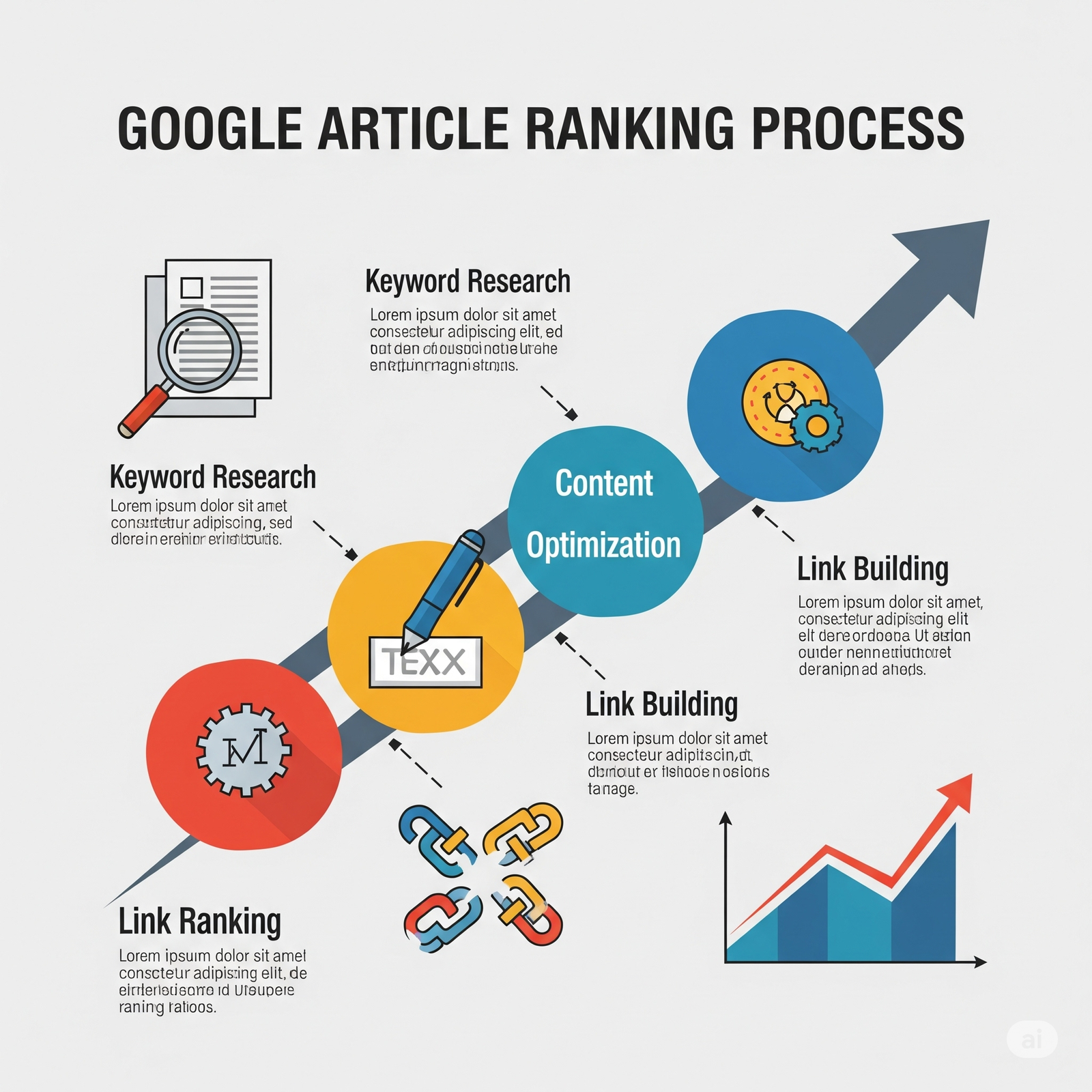

Want your blog posts, crafted perhaps from your home office in Bhubaneswar, Odisha, to reach a wider audience across India and even globally? Ranking high on Google is the key. It’s not just about writing well; it’s about understanding what Google looks for and creating content that aligns with its ranking factors. This comprehensive guide will walk you through the essential steps to write articles that climb the Google ladder and attract organic traffic to your blog.
1. Master Keyword Research: The Foundation of Ranking Content
- Understand Search Intent: Before writing a single word, delve into what your target audience in India is actually searching for when they use specific keywords. Are they looking for information, a solution, a product, or an opinion? Tailor your content to match that intent.
- Utilize Keyword Research Tools: Leverage tools like Google Keyword Planner (free), Ubersuggest (freemium), or Ahrefs (paid) to discover relevant keywords with sufficient search volume in India. Consider long-tail keywords (longer, more specific phrases) which often have less competition. Think about localized keywords relevant to your audience in India.
- Analyze Competitors: See what keywords your top-ranking competitors in India are targeting. This can give you valuable insights into profitable topics and related keywords.
2. Plan Your Content Strategically: Creating Comprehensive and Engaging Pieces
- Choose the Right Article Format: Based on your keyword research and search intent, decide on the best format for your article. Will it be a listicle, a how-to guide, a comparison post, a review, or an in-depth informational piece?
- Outline Your Article: Create a detailed outline before you start writing. This ensures logical flow, comprehensive coverage of the topic, and helps you incorporate your target keywords naturally within headings and subheadings (H2, H3, etc.).
- Focus on Topical Authority: Aim to become a go-to resource for a specific topic by creating a cluster of interconnected articles. Link internally between your related posts to establish authority in Google’s eyes.
3. Write High-Quality, Engaging, and In-Depth Content:
- Craft a Compelling Headline: Your headline is the first (and sometimes only) thing searchers see. Make it attention-grabbing, clear, and include your primary keyword.
- Write a Strong Introduction: Hook your readers from the start and clearly state what your article will cover. Naturally weave in your target keyword early on.
- Provide Valuable Information: Your content should be accurate, well-researched, and provide genuine value to your readers in India. Go beyond surface-level information and offer unique insights or actionable tips.
- Enhance Readability: Use shorter paragraphs, bullet points, subheadings, and visuals (images, videos) to break up text and make your article easy to scan and digest, especially on mobile devices which are heavily used in India.
- Use Multimedia: Incorporating relevant images and videos can significantly enhance user engagement and time on page, which are positive ranking signals for Google. Optimize your image file names and alt text with relevant keywords.
- Answer Related Questions: Think about the questions your audience might have after reading your main points and address them within your article. This can help you capture more long-tail keyword traffic.
4. Optimize On-Page Elements for Search Engines:
- Strategic Keyword Placement: Naturally incorporate your primary and secondary keywords in your title tag, meta description, H1, H2s, and throughout your body content. Avoid keyword stuffing.
- Compelling Meta Descriptions: Write concise and enticing meta descriptions (the snippet that appears under your title in search results) that encourage clicks. Include your target keyword.
- Optimize Your URLs: Use short, descriptive URLs that include your primary keyword (e.g., yourdomain.com/how-to-rank-on-google).
- Internal Linking: Link to other relevant articles on your own blog. This helps Google understand the structure of your site and distributes link equity.
- External Linking (Judiciously): Link to high-authority, relevant external websites to support your points and provide additional value to your readers.
5. Prioritize User Experience (UX): A Major Ranking Factor
- Website Speed: Ensure your blog loads quickly. Slow-loading sites frustrate users and can negatively impact your Google rankings. Optimize images, use caching, and choose a reliable hosting provider in India.
- Mobile-Friendliness: With the majority of internet users in India accessing the web via mobile, your blog must be fully responsive and provide a seamless experience on all devices.
- Site Navigation: Make it easy for users to find the information they’re looking for on your blog. Use clear menus and logical site structure.
- Low Bounce Rate: Create engaging content that keeps users on your page. A high bounce rate (users leaving quickly without interacting) can signal to Google that your content isn’t relevant to their search.
6. Build Authority and Earn High-Quality Backlinks:
- Create Linkable Assets: Produce valuable and unique content that other websites will naturally want to link to as a resource.
- Guest Blogging: Write guest posts for other reputable blogs in your niche (including those in India if relevant) and include a link back to your site in your author bio or within the content (if allowed).
- Outreach: Reach out to other website owners and bloggers and let them know about your valuable content that they might find useful to link to.
- Promote Your Content: Share your articles on social media and other relevant platforms to increase their visibility and potential for backlinks.
7. Track Your Progress and Adapt:
- Use Google Analytics: Monitor your website traffic, understand user behavior, and see which articles are performing well.
- Utilize Google Search Console: Track your website’s performance in Google search results, identify any technical issues, and submit your sitemap.
- Analyze Your Rankings: Keep an eye on how your articles are ranking for your target keywords.
- Stay Updated: The SEO landscape is constantly evolving. Keep learning about the latest best practices and Google algorithm updates.
Writing articles that rank on Google isn’t an overnight process, but by focusing on creating high-quality, user-friendly content, optimizing your on-page elements, and building authority, you can significantly improve your chances of attracting organic traffic from India and beyond to your blog, no matter where in the country you’re writing from.

Leave a Reply